




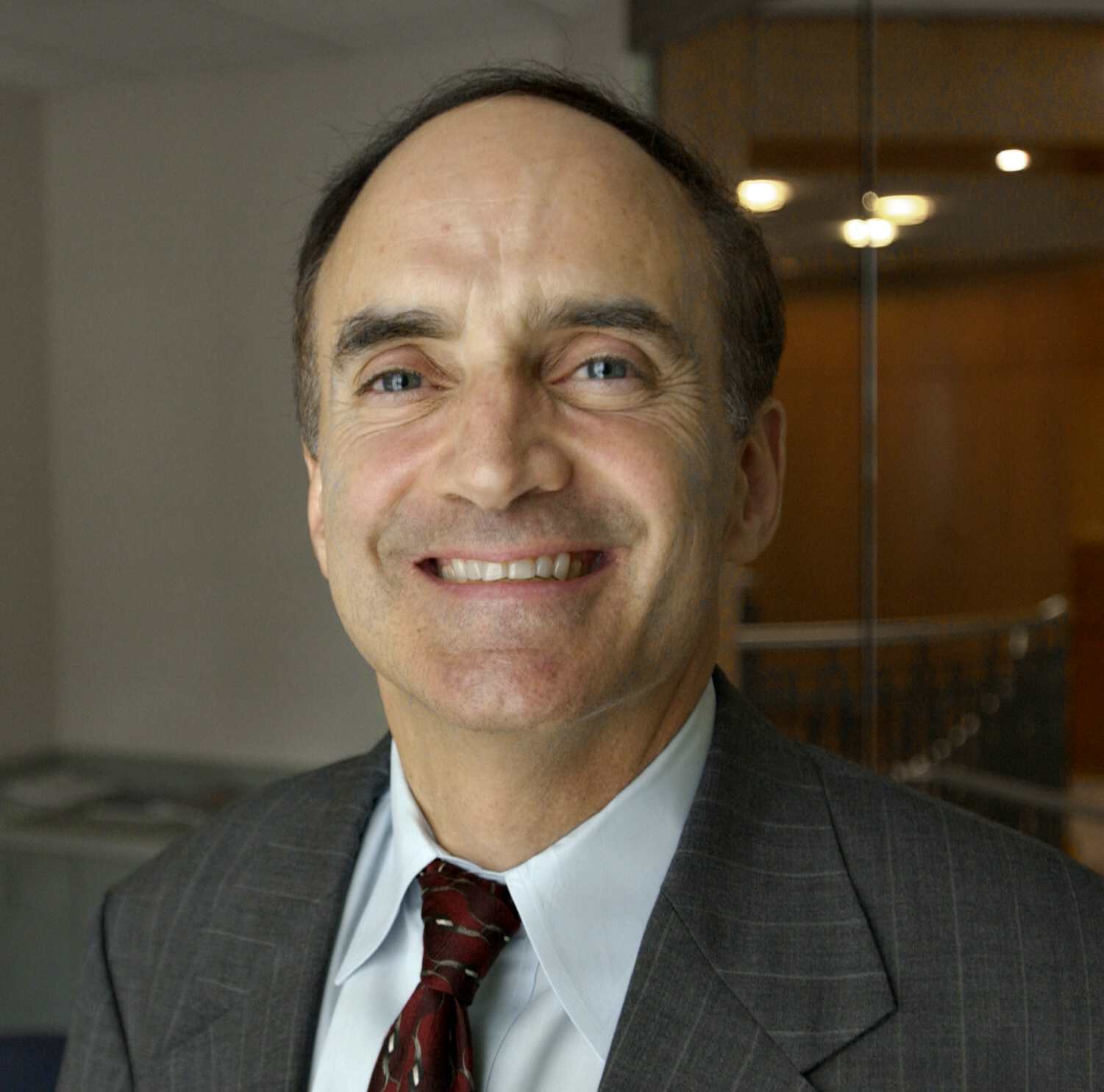


By Robert Weiner and Charlyn Chu
In the history of US leaks, some have benefited the nation, others were a major threat to national security, but none should be possible. An unwarranted release of documents by insiders employees, contractors, even our very own former president is nothing short of embarrassing, and dangerous.
Teixeira's leaks exposed America's espionage against Russia and allies alike,angering South Korean officials and possibly causing Russia to adapt communication methods to prevent US interception. Battlefield vulnerabilities outlined forced Ukraine to alter its military plans. Other countries mentioned include the UK, Israel, and UAE.
The DOD review that came after Teixeira's leaks seemed more like a cover-up than a true report. According to WSJ when it covered the review, made public July 5, the report "did not uncover widespread failures."
How can there NOT be widespread failure on the part of US intelligence if a 21-year-old managed to post hundreds of classified documents on Discord? How can there NOT be widespread failure when superiors noticed Teixeira breaking rules multiple times, his security clearance was not immediately revoked, and the leaks infuriated major allies?
Austin's memo that the "overwhelming majority of DOD personnel with access to CNSI are trustworthy," may reassure himself, but certainly not American citizens. A loyal majority is useless if an individual can still leak the nation's top secrets.
US National Defense strategy is focused on stopping foreign infiltrations of intelligence systems. Currently, much responsibility and access is given to lower-level people in intelligence agencies, partly due to the promotion of information sharing after 9/11. Employees and tech personnel were needed to sort and process data.
Glenn S. Gerstell, former general counsel of the NSA, has stated ideas on how to prevent the next leak: continuous vetting, such as psychological exams and polygraphs; RFID tags on documents; AI to catch atypical behavior or downloads; cameras on every printer.
Implementing these intelligence controls may make it harder for those who do "need to know" sensitive material to have access. However, given the severity of these leaks, being concerned about overcorrection is just another cover-up statement to keep things at their status quo.
However, tighter controls and tech additions will not completely solve leaks. Government and military officials are only seeing half the problem, and half the solution. There will always be bad apples, spies, impressionable kids who are trying to show off to friends. Those leaks may be mitigated with technical improvements and better background checks, but there are also leaks of another nature.
These leaks are from whistleblowers, journalists, publishers. These cannot be solved by tech. If an insider believes there is something unethical that is being wrongfully withheld from the public, they are prone to leaking it, causing a national crisis.
Take Ellsberg, Snowden. Look at the public's response. Trust in the government and military eroded; Americans were outraged because the war in Vietnam was immoral, surveillance was unethical. To prevent leaks of this nature, there has to be a new culture of transparency and morality. The intelligence community has to ensure their policies align with public interest.
Currently, Julian Assange, founder of WikiLeaks, is being charged under the Espionage Act for leaking government secrets. From the Collateral Murder video to other leaks of war crimes, torture, and the killing of innocent civilians, it's no surprise the government wants Assange extradited.
Yet, putting Assange behind bars will do nothing to solve the problem. The problem is not the leakers, the problem lies within the failure of intelligence agencies to disclose information the public should know.
In a recent DOD blunder, CENTCOM allegedly killed an unintended target in a drone strike near a chicken farm in Syria. Defense officials had initially claimed the strike killed a highly ranked Al-Qaeda official, but later reneged.
The victim was bricklayer Lotfi Hassan Misto. While Misto's family and neighbors offered claims contrary to officials' beliefs that Misto was an AQ leader, no conclusive answers have been reached, at least in the public's eyes officials have declined to identify who the intended target was or how the mistake happened.
(Note: You can view every article as one long page if you sign up as an Advocate Member, or higher).






