






Despite the absence of a formal agreement, the talks represent a notable diplomatic development. Direct, high-level engagement between U.S. and Iranian officials-- unprecedented in decades-- signals a shared interest in avoiding full-scale conflict.
Participants described the discussions as serious and, at times, constructive, suggesting that channels for future negotiation remain open.
Possible Paths Forward
With the current ceasefire nearing expiration, several scenarios are emerging.
1. Extended Negotiations
Continued diplomatic engagement aimed at reaching a limited or phased agreement.
2. Renewed Military Escalation
A return to conflict, with significant regional and global repercussions.
3. Prolonged Strategic Standoff
Ongoing tension centered on economic pressure and control of key maritime routes.
Each path carries substantial risks, particularly for global energy markets and regional stability.
The failure of the Islamabad talks underscores the depth of the divide between Washington and Tehran. Core disputes-- ranging from nuclear capabilities to economic sanctions and maritime security-- remain unresolved and deeply interconnected.
While both sides have expressed cautious openness to continued dialogue, the likelihood of a comprehensive agreement in the near term remains uncertain.
The coming weeks will be critical. As the ceasefire deadline approaches, the trajectory of U.S.-Iran relations will hinge on whether diplomacy can overcome entrenched mistrust-- or whether the crisis will escalate into a broader confrontation with far-reaching global consequences.
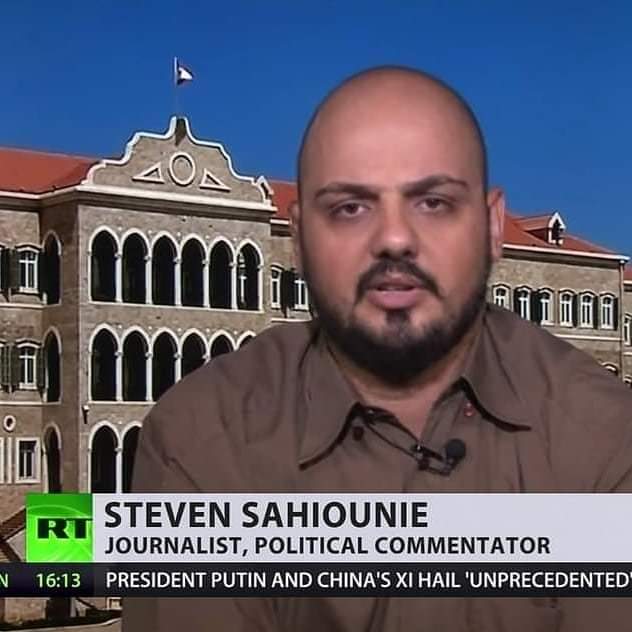
Journalist Steven Sahiounie interviewed Egyptian journalist and researcher Ahmad Dahshan.
1. Steven Sahiounie (SS): U.S. President Donald Trump is now threatening Tehran over the Strait of Hormuz, warning of imposing a blockade and sanctions. In your opinion, what is the reason behind these contradictory statements and threats from the U.S. president, and what is Tehran's response to these threats?
(Note: You can view every article as one long page if you sign up as an Advocate Member, or higher).






