




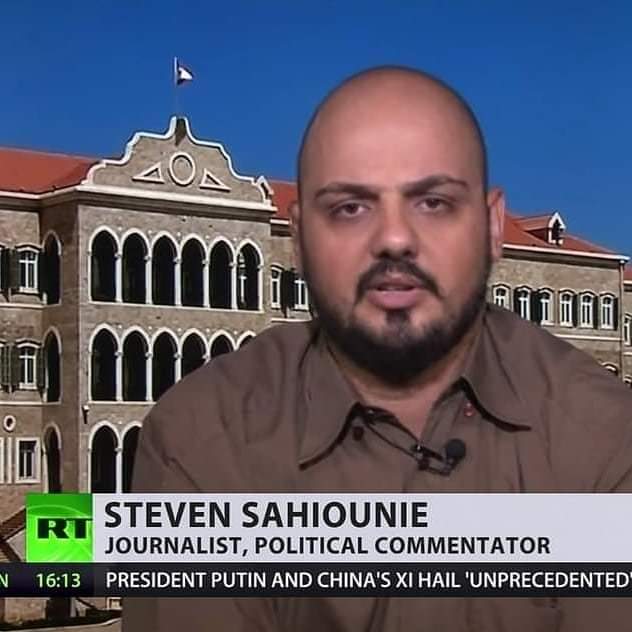


Conversely, U.S. officials maintain that Iran's nuclear ambitions remain the central obstacle to any agreement. From Washington's perspective, meaningful progress is impossible without strict limitations on Tehran's nuclear program.
These competing narratives reflect a broader trust deficit that continues to undermine negotiations.
The Strait of Hormuz: A Strategic Flashpoint
A central issue in the conflict is control over the Strait of Hormuz-- a critical maritime corridor through which roughly 20% of global oil supply passes.
Iran has leveraged its geographic position as a strategic pressure point, signaling its ability to disrupt shipping in response to sanctions and military pressure. Meanwhile, the United States insists on maintaining freedom of navigation, rejecting any attempt to link maritime access with political concessions.
Recent developments-- including threats to commercial shipping and U.S. retaliatory measures-- have significantly reduced tanker traffic, raising the risk of further escalation.
Economic Fallout and Global Impact
The breakdown in negotiations has already had tangible economic consequences; such as, oil prices have surged amid fears of supply disruptions, transportation and production costs are rising globally, and inflationary pressures are intensifying.
Financial markets are experiencing increased volatility
Energy-dependent economies, particularly in Europe and Asia, face heightened vulnerability. Analysts warn that prolonged disruption could remove millions of barrels per day from global supply, exacerbating inflation and raising the risk of stagflation.
Domestic and Strategic Pressures
The diplomatic impasse is further complicated by internal political dynamics on both sides.
In Washington, the administration faces competing pressures: calls to avoid further military escalation alongside demands from key allies and domestic constituencies to maintain a hardline stance.
In Tehran, economic strain-- exacerbated by sanctions and export disruptions-- adds urgency to negotiations, but political divisions within the leadership complicate decision-making.
These internal constraints reduce flexibility and make compromise more difficult.
Limited Progress Despite Failure
(Note: You can view every article as one long page if you sign up as an Advocate Member, or higher).






