





The various Kairos documents all pursued the same goal, a prophetic call to those in power to acknowledge that the New Testament commands them to halt their oppressive conduct and identify with the oppressed.
Kassis writes (page 83) that these Kairos documents all emerged from similar contexts: oppression, injustice and the denial of equality and human rights.
They are also "united by their timing, by the kind of moment at which they came into being. They aren't written at any time; rather they are created when there are no options than true participation in a process of collective change."
To use a theological term, kairos "speaks to the qualitative, not sequential, form of time; for example, the New Testament defines it as "the appointed time in the purpose of God."
Kassis adds that this moment is one in which God acts. It is a moment, as well, in political terms, that implies "a crucial time, an appointed time, in which the message of the text is delivered" (83).
Adopting a more modern form of expression, Kassis concludes that "the message of the Kairos is both the SOS signal of a sinking ship and a call for hope in the face of despair."
The Palestine Kairos Document, Kassis explains, arose from a dialogue within Palestinian Christian communities, in short, not from outsiders, but from those who suffer under occupation, which is to say, oppression and captivity.
The Kairos Document emerged from a Palestinian dialogue among a group of 15 interdenominational Palestinian Christian leaders.
After two years of work, prayer, many meetings and discussions, along with debates and draft, the leaders produced a final draft of the document, which they called "A Moment of Truth: A Word of Faith, Hope and Love from the Heart of Palestinian Suffering."
The final document was released to the public at an event in Bethlehem on 11 December 2009. Kassis was deeply involved in preparing the final document. With its release, Kassis was selected to serve as the General Coordinator of the Kairos Palestine Group.
The kairos moment places a demand not only on Christians, but on people of other religions or no religions, to pay attention to the message that Israeli occupation is "oppression" in the same way South African apartheid and Latin American economic oppression of the poor were oppressive.
However the reader understands the term kairos, the impossible-to-refute "facts on the ground" in Israel and Palestine, are clear; this is the "right moment" for the world to recognize and acknowledge that Israel's occupation of Palestine is unjust, immoral, illegal and destructive.
Rifat Kassis' book does not have an American nor UK publisher. It was originally published by Badalyl Alternatives in Palestine/India. For US readers Amazon does offer a long essay by Kassis on this topic. Click here.
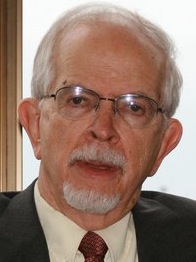
The picture at top is from APA images. This posting originally appeared in a slightly longer version on December 23, 2011, in The Electronic Intifada. It is cross-posted here with the permission of The Electronic Intifada. The original posting also appears in Intifada Palestine.
cross-posted from Wall Writings
(Note: You can view every article as one long page if you sign up as an Advocate Member, or higher).
 1
1
 1
1
 1
1






