






Once the FSA faded away, ISIS took control of the oil fields, and trucked the oil in tankers to Turkey, to be refined there and used domestically, or transported to tankers at the ports of Ceyhan or Dortyol for export to European markets that were well aware they were buying stolen Syrian oil from ISIS, but they were getting a low price.
In September 2014, US intelligence officials revealed that the Islamic State group was making millions every day from the illicit oil trade. ISIS took control of the oil assets from the previous terrorist groups of the FSA and the Al Qaeda affiliate in Syria, Jibhat al-Nusra. Today, the US military is occupying the oil fields.
In 1998, Richard N. Haass wrote about the US use of sanctions against countries as a tool of foreign policy. He found that sanctions are unlikely to achieve desired results if the aims are large. In the case of Syria, the US aim is to overthrow the government that has been in place for 22 years and institute a US-friendly Muslim Brotherhood leader, in the only secular state in the Middle East. Is that large enough?
Haass said that sanctions can boost an authoritarian administration, trigger large-scale emigration, and hurt the middle class and civil society. In Syria, the government has withstood an armed revolution supported by the US and NATO, withstood a massive migration in the summer of 2015 that saw Syrians walking through Europe, and due to the economic collapse the middle class is now the newly poor.
Humanitarian exceptions are supposed to guarantee that medicines and medical supplies are allowed into Syria, but according to the former director of the WHO in Damascus, Elizabeth Hoff, the hospitals in Syria were not able to order replacement parts for medical machines from western manufacturers due to their fear of facing US sanctions.
Iranian oil tankers to Syria were hijacked by the US
In the darkest days of deprivation for the Syrian residents, they followed news reports of the US high-jacking of the Iranian ship bringing much-needed petroleum products to Syria to be used for electricity, diesel fuel for trucks, and gasoline for cars.
The US needs to leave Syria, lift the sanctions and allow the Syrian people to rebuild their homes and businesses. Humanitarian organizations say most Syrians live under the poverty line, but they fail to mention the US-EU sanctions that caused this poverty.
Syria today
Life in Syria today is difficult. Most homes have only a few hours of electricity per day, and cooking gas is expensive and in short supply, as is gasoline. Soon students will be back in school and electricity needs increase with studying in the evenings, washing school clothes, and preparing healthy meals for building young minds. With gasoline in such short supply and highly expensive, kids will be walking long distances to school this winter. Home heating is a distant memory, and wearing sweaters and ski caps indoors is the only way to stay warm. The US-EU sanctions have caused immense hardship to the Syrian people who have fought against terrorism, chaos, and upheaval.
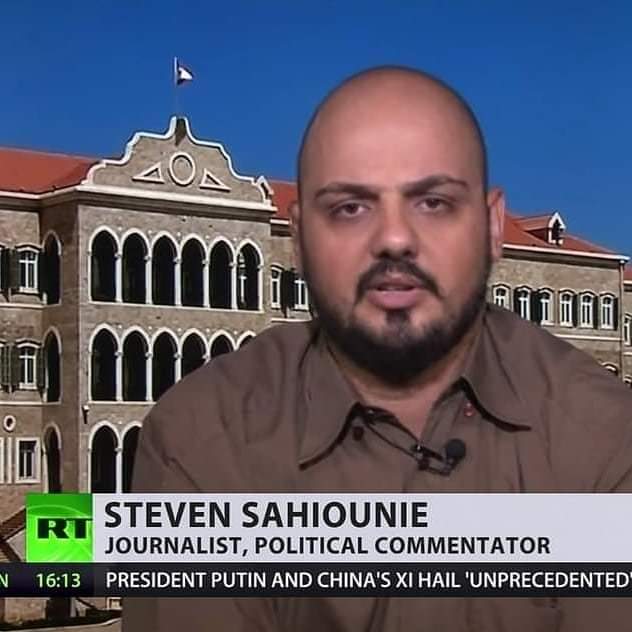
Steven Sahiounie is a two-time award-winning journalist
(Note: You can view every article as one long page if you sign up as an Advocate Member, or higher).






