







Governments have promised to end malaria by 2030. With around five and a half years left to eliminate the vector-borne disease worldwide, it is alarming that progress is off the mark. More worrying is that whatever progress has happened towards ending malaria, can be reversed. Without adequate science-backed and strategic investments and actions, how will countries that have ended malaria, keep the burden below the elimination levels? Climate change worsens the crisis as disease patterns shift.
Equitable access to life-saving malaria tools is key to reversing trends
We cannot divorce equity and inclusion from malaria response. And we cannot dislocate #endMalaria goals from other SDGs for sustainable elimination of the disease worldwide "where no one is left behind".
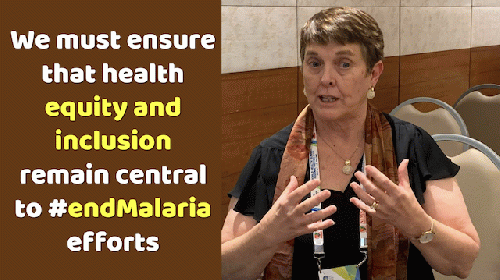
"Even if it is hard and difficult, and even if it is not 'popular', we need to keep remaining inclusive and equitable in our approaches towards ending malaria. We need to uphold gender equity, social inclusiveness, disability rights and inclusion, because if we focus on health equity and inclusion, it is doing justice to #HealthForAll where no one is truly left behind," said Professor (Dr) Maxine Whittaker, Dean at James Cook University, Australia and Advisor to CSO Platform (www.MalariaFreeMekong.org). She was speaking with CNS Managing Editor Shobha Shukla at the End Malaria Dialogues at World Health Summit Regional Meeting.
Reinvigorated global efforts warranted to curb rising malaria threat
Next Page 1 | 2 | 3 | 4 | 5 | 6
(Note: You can view every article as one long page if you sign up as an Advocate Member, or higher).






