






Bextra, a COX-2 specific inhibitor similar to Vioxx, was also withdrawn for similar reasons in 2005. In fact, patients taking Bextra after heart surgery were 2.19 times more likely to suffer a stroke or heart attack according to American Heart Association information. And last year Pfizer agreed to pay $2.3 billion for fraudulent marketing of Bextra and three other drugs. Not million, billion.
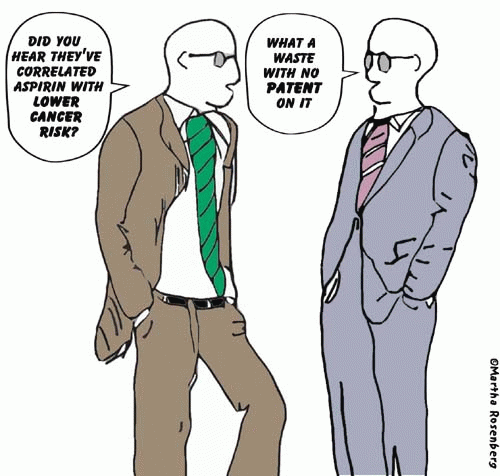
This week a meta-analysis in Lancet, the British medical weekly, reveals that common aspirin may reduce the chances of dying of several cancers. People who took a daily aspirin for more than four years reduced their chances of dying of cancer by 21 percent according to the data published this week. And, the longer they took the aspirin -- up to twenty years -- the greater their cancer risk reduction, said researchers.
Many Americans over 45 already take a daily, low-dose aspirin to protect against cardiovascular events and stroke.
While aspirin's ability to lower colon cancer risk was known, esophageal, gastrointestinal, lung, brain, and pancreatic cancers dropped in the population of patients taking daily aspirin said researchers.
The trials were conducted to explore the vascular effects of a daily aspirin on patients but the authors found the risk of esophageal and throat cancer was reduced by 60 percent, colorectal cancer by 40 percent, lung cancer by 30 percent and prostate cancer by 10 percent.
(Note: You can view every article as one long page if you sign up as an Advocate Member, or higher).
 2
2
 2
2
 1
1






