







Granada "clearly withheld information about the violations from parents until notified by LAUSD. This lack of transparency, especially regarding potential safety hazards, is a major breach of trust and undermines parental right to informed decision-making."
-- - BD3 candidate Andreas Farmakalidis
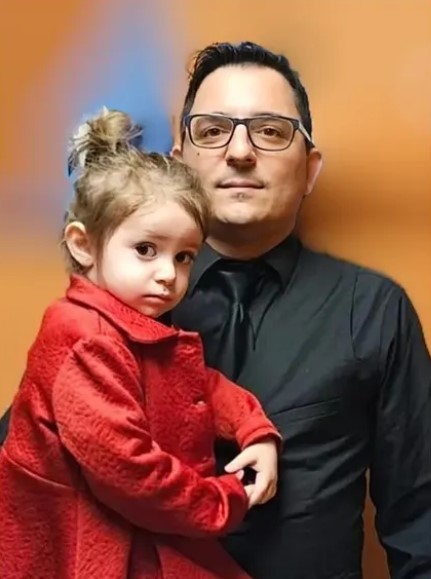
Andreas Farmakalidis is one of four candidates who will appear on the March ballot opposing Scott Schmerelson. Janie Dam is also running a write-in campaign to unseat the incumbent. Farmakalidis' website can be found at www.lausd3.com.
Farmakalidis has participated in all of the past iterations of the ongoing Candidate Forum series: PROP-39 co-locations, Special Education policies, and District Governance. For the December edition of the series, the questions focus on student safety issues. For background information about the questions, please see the introductory article: LAUSD Candidate Forum: Student Safety.
The following are Farmakalidis' responses, published as provided with only minor formatting changes:
- In non-emergency situations, should uniformed police officers be operating on LAUSD campuses? Leaning Towards YES
The presence of uniformed police officers on LAUSD campuses has been a subject of considerable debate.
Proponents argue that having officers on campus provides a visible deterrent to potential threats and can swiftly respond to emergencies, ensuring a safer environment for students, teachers, and staff. They also contend that officers can serve as positive role models, engaging with students to foster better relationships between law enforcement and the community. Moreover, their presence can address issues beyond safety, such as educating students about law enforcement and deterring criminal behavior.
On the other hand, students and parents/staff express concerns about the potential negative impacts of police presence on school campuses. They argue that it contributes to the criminalization of students for minor infractions, leading to the school-to-prison pipeline phenomenon. Some worry that the presence of officers may create an atmosphere of fear and intimidation among students, particularly those from marginalized communities. Additionally, there are concerns about the disproportionate enforcement of disciplinary actions on students of color.
A potential solution that seeks to address both perspectives involves a comprehensive approach to school safety. This approach could include a blend of law enforcement presence for security purposes, coupled with increased investment in mental health resources, counselors, and restorative justice programs. These additional resources can help address the underlying issues behind behavioral problems, promoting a supportive and inclusive school environment while ensuring a proactive response to safety concerns.
While considering these perspectives, leaning toward the presence of uniformed officers on campus seems reasonable to maintain security measures and provide a rapid response to potential threats. However, it's crucial to implement additional measures that prioritize the well-being and support of students, thereby creating a balanced approach to school safety.
- The Superintendent has commented "that unacceptable and preventable frequency of vehicular incidents are impacting the health, well-being and safety of our children." Is the District doing enough to prevent these incidents? NO
The safety of students must remain the top priority for any educational institution. It's critical to acknowledge that even one incident involving a student due to vehicular accidents is one too many. Losing students or putting their well-being at risk due to accidents that might have been preventable with enhanced preparation and measures in place is a distressing prospect.
Schools should continuously reassess and fortify their safety protocols to minimize any potential risks. The collaboration between the District, police and the city council becomes even more essential in this context. Their combined efforts should focus on creating a comprehensive safety framework that leaves no room for oversight or gaps in protecting students from vehicular incidents.
The impact of a tragedy resulting from a lack of adequate preparation is not just a loss for the affected student and their family; it affects the entire school community. It's incumbent upon educational authorities to proactively address these concerns, leaving no stone unturned in ensuring that the safety measures are robust, well-implemented, and continually updated to adapt to changing circumstances.
The collaboration between the District and the city council should reflect a commitment to proactive planning, adequate resource allocation, and swift implementation of measures that safeguard the lives of students. Every student deserves a secure environment where their safety is paramount, and it's the responsibility of the educational authorities to ensure no child is put in harm's way due to inadequate safety preparations.
- Last year an LAUSD student overdosed on fentanyl that was provided to her by a student at a co-located charter school. Do multiple schools that do not share a common leadership structure increase the possibility that hazards will not be fully mitigated? YES
It's a difficult situation as I personally know members of the family affected by the incident. The occurrence of a student overdosing on fentanyl is truly tragic, highlighting significant worries about safety protocols, particularly in co-located schools lacking a unified leadership structure
When multiple schools in a co-located setting operate independently without a shared leadership structure, it can create challenges in ensuring consistent and comprehensive safety measures. Varied leadership and differing protocols between schools may lead to gaps in oversight and communication, potentially hindering the identification and mitigation of hazards.
(Note: You can view every article as one long page if you sign up as an Advocate Member, or higher).






