




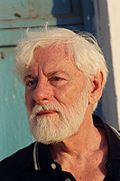

THE MAIN subject in Drucker's film was the proverbial enmity between Rabin and Peres. They hated each other's guts, but could not get rid of each other. I likened them to Siamese twins who hated each other.
It started right from the beginning. Rabin gave up his higher studies (agriculture) in order to join the Palmach, the field force of our underground army. When the '48 war broke out, he became a field commander.
Peres did not join the army at all. Ben-Gurion sent him abroad to buy arms. That was surely an important task -- but it could have been accomplished by a 60-year-old. Peres was 24 -- two weeks older than I.
Since then, all my generation hated him. The stigma never left him. That was one reason for the fact that Peres never won an election in all his life. But he was a master of intrigue. Rabin, who had a sharp tongue, famously called him "the untiring intriguer."
At the end, the outstanding bone of contention was the Oslo breakthrough. Peres, as Foreign Minister, claimed the credit.
One day I had a weird experience. I received a call that Peres wanted to see me. Since we were sworn enemies, that was strange. When I arrived, Peres gave me an hour's concentrated lecture on why it was important to make peace with the Palestinians. Since this has been the central theme of my life for many decades, while he had always adamantly opposed it, this was rather surrealistic. I listened and wondered what it was all about.
Soon after, when the Oslo agreement became public, I understood the scene: it was part of Peres' effort to claim the credit.
But it was Rabin, the Prime Minister, who made the decision and took the responsibility. Because of this he was murdered.
The final scene: the assassin stood at the foot of the stairs, the pistol in his hand, waiting for Rabin to come down. But first came Peres.
The murderer let him pass unharmed -- the ultimate insult.
(Note: You can view every article as one long page if you sign up as an Advocate Member, or higher).






