






Transport and infrastructure reconstruction.
Health and tourism development.
Syria expressed interest in acquiring Russian wheat and medicine. The two countries agreed to hold a meeting of the Joint Intergovernmental Committee in the near future to detail these files. Russia assured its readiness to provide support and participate in Syria's comprehensive reconstruction process, with its companies expected to play a major role in rebuilding the country's infrastructure.
The Bashar al-Assad Question
A sensitive, yet unavoidable, point of discussion was the status of former President Bashar al-Assad. Sources indicated that the Syrian President would ask Moscow to hand over his predecessor.
However, Russia's stance, articulated by Foreign Minister Sergei Lavrov prior to al-Sharaa's visit, is clear: Moscow granted Assad and his family humanitarian asylum, making his handover non-negotiable and stressing that such a move would severely damage Russia's reputation.
President al-Sharaa acknowledged the complexity, stating that Damascus would pursue all legal avenues to demand accountability for the former president without entering into a costly conflict with Russia. Russian experts unanimously advise that the Assad issue should be removed from the bilateral agenda, emphasizing that the focus should be on developing future relations and signing new agreements based on mutual interests.
Future Outlook
Both Presidents expressed a desire to move beyond the complications of the past and build a relationship based on new foundations, while capitalizing on their decades-long ties. President Putin stressed that Russia has always been driven by the interests of the Syrian people.
The discussions were characterized as "pragmatic," designed to create a new strategic equation that serves the interests of both sides. In addition to bilateral cooperation, Russia pledged its support for the new Syrian government's efforts to extend its control over all Syrian territory and maintain the country's unity. Moscow also confirmed it would support Damascus in its efforts to lift international sanctions, particularly at the UN Security Council level.
Analysts believe the visit was overwhelmingly positive, opening the door for dialogue and demonstrating Russia's continued presence and role in the region. They noted that Russia could serve as an important factor in maintaining the balance of power for regional actors and potentially neutralizing the Israeli role in the reconstruction and re-arming of the Syrian forces.
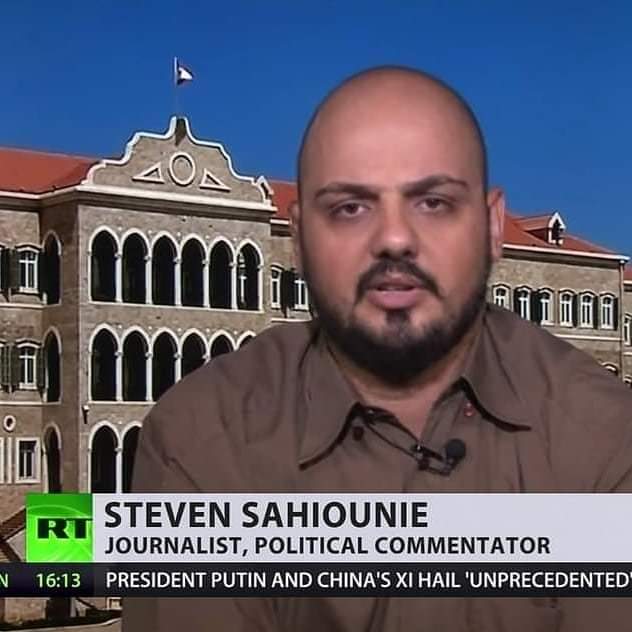
Steven Sahiounie is a two-time award-winning journalist.
(Note: You can view every article as one long page if you sign up as an Advocate Member, or higher).






