





This piece was reprinted by OpEdNews with permission or license. It may not be reproduced in any form without permission or license from the source.
In retrospect, the Pompeo-Binney meeting appears to have been a shot across the bow of those cyber warriors in the CIA, FBI, and NSA with the means and incentive to adduce "just discovered" evidence of Russian hacking. That Pompeo could promptly invite Binney back to evaluate any such "evidence" would be seen as a strong deterrent to that kind of operation.
Pompeo's closeness to President Donald Trump is probably why the heads of Russia's three top intelligence agencies paid Pompeo an unprecedented visit in late January. We think it likely that the proximate cause was the strategic danger Moscow sees in the nuclear-hedge-against-cyber-attack provision of the Nuclear Posture Statement (a draft of which had been leaked a few weeks before).
If so, the discussion presumably focused on enhancing hot-line and other fail-safe arrangements to reduce the possibility of false-flag attacks in the strategic arena -- by anyone -- given the extremely high stakes.
Putin may have told his intelligence chiefs to pick up on President Donald Trump's suggestion, after the two met last July, to establish a U.S.-Russian cyber security unit. That proposal was widely ridiculed at the time. It may make good sense now.
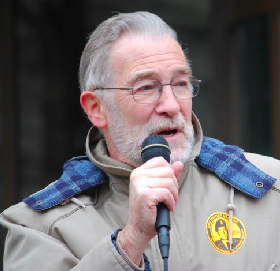
*Ray McGovern, a CIA analyst for 27 years, was chief of the Soviet Foreign Policy Branch and briefed the President's Daily Brief one-on-one from 1981-1985. William Binney worked for NSA for 36 years, retiring in 2001 as the technical director of world military and geopolitical analysis and reporting; he created many of the collection systems still used by NSA.
(Note: You can view every article as one long page if you sign up as an Advocate Member, or higher).
 3
3
 2
2
 2
2






