






From the outset of the Israel attacks on Gaza, in the aftermath of the Hamas October 7 surprise attack, Hezbollah began missile and drone attacks across Israel in solidarity with the people of Gaza, and the need to end the Israeli occupation of Palestine, Lebanon and Syria. In the days prior to the ceasefire deal, Hezbollah carried out an attack on Tel Aviv that saw widespread destruction in videos. Even after being so severely diminished by Israeli military efforts, Hezbollah was proven to be effective as far away as Tel Aviv, much farther than the Israeli north.
In light of military losses in Lebanon, the inability of the Israeli ground forces to take a foot-hold, and the serious damages in Tel Aviv, Netanyahu likely felt the time was right to stop the conflict and secure a ceasefire without achieving his ultimate military goals of destroying and disarming Hezbollah.
US President Joe Biden hailed the American-brokered ceasefire deal. He failed to achieve a ceasefire deal in Gaza. In July, Netanyahu gave Biden his promise to agree to Biden's ceasefire plan. But just days later, Netanyahu reneged on his promise, which caused Biden to withdraw his name from the presidential race. Biden was counting on Netanyahu's support, which would be seen as a huge political achievement by US voters who had become disgusted at the genocide in Gaza, and the American complicity.
President-elect Donald Trump is said to be pleased with the ceasefire in Lebanon, as he has successfully campaigned on a promise to end all wars. Trump won't take office until January 20, but many are predicting he will be a supporter of Netanyahu. However, Trump values loyalty highly. In the 2020 election, Netanyahu publicly supported Biden, and asked the thousands of US citizens living in Israel to vote for Biden. Trump has never forgotten that betrayal.
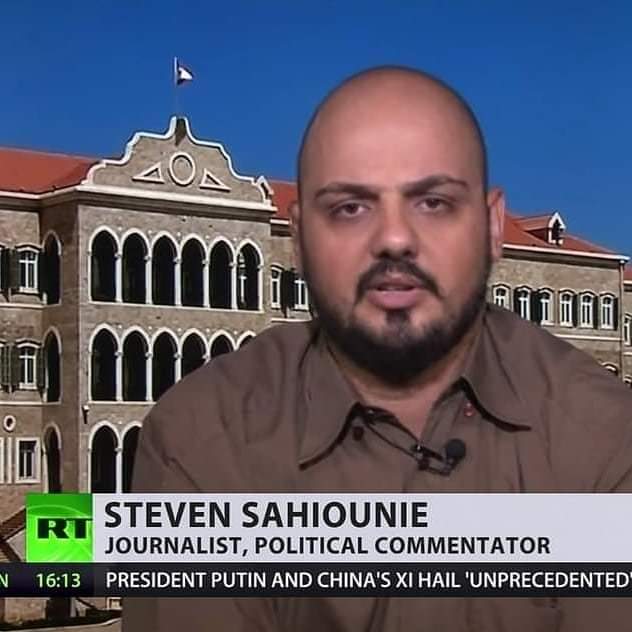
Steven Sahiounie is a two-time award winning journalist
(Note: You can view every article as one long page if you sign up as an Advocate Member, or higher).






