




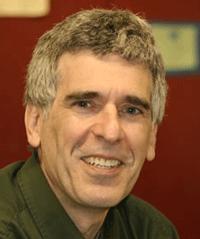

Marie Newman is running again to end the four-decades-long Lipinski dynasty, backed by a solid coalition that includes MoveOn, Democracy for America and pro-choice groups. (Although Newman reportedly supported Sanders in 2016, she endorsed Kirsten Gillibrand for 2020.) One complicating factor is the blacklisting efforts of DCCC chair Cheri Bustos that could undermine Newman's challenge. Another factor is a second Democrat running as a progressive alternative to Lipinski.
__________________________________________
GREGORY MEEKS (NY-5)
After Alexandria Ocasio-Cortez stunned Queens Democratic machine boss Joe Crowley -- who left Congress and became a corporate lobbyist-- the machine needed a new boss. So establishment Democrats in the borough turned to 12-term congressman Gregory Meeks, who became the Queens party chair without opposition, backroom-style, at a meeting not publicly announced . Meeks has a long history of serving wealthy interests and his own, not the middle-class and working-class residents of one of the most diverse counties in the nation.
Meeks' corruption problems are an open secret. The watchdog organization Citizens for Responsibility and Ethics in Washington has repeatedly chosen Meeks as among the most corrupt inside the Beltway, calling him one of three who "really stand out." Meeks bought a million-dollar-plus home built for him by a campaign contributor, paying far less than its value. He founded a nonprofit that collected $31,000 in Hurricane Katrina relief but paid out only $1,392. He traveled to the Caribbean at least six times on the dime of a convicted Ponzi schemer (who also donated to Meeks' campaign).
Meeks serves on the House Financial Services Committee and has received millions over the years in finance-sector donations, including almost half a million dollars during the last cycle. His preference for Wall Street over Main Street has prompted strong denunciations from labor. When the 2007-8 financial crisis hit and devastated homeowners of color, he would not support a moratorium on foreclosures being urged by unions and the NAACP. Meeks has recently taken a lead role in opposing legislation backed by many Democrats, including New York Senator Kirsten Gillibrand, to tax financial transactions. Unlike most House Democrats, Meeks aggressively supported the corporate-friendly Trans-Pacific Partnership trade deal.
Back in Queens, undeterred by opposition from local activists and officials, Meeks championed the plan to grant tax breaks to Amazon (a trillion-dollar corporation run by perhaps the world's richest person) to induce its move to Queens in a deal that would have displaced working-class residents.
In a borough that offered grassroots support to the strong insurgent campaigns of Alexandria Ocasio-Cortez for Congress in 2018 and Tiffany Caba'n for Queens District Attorney this year, experienced activists could fuel a challenge to Meeks. A former AOC campaign staffer, Shaniyat Chowdhury, has announced his candidacy.
__________________________________________
BRAD SCHNEIDER (IL-10)
"Brad's been named one of the most bipartisan members of Congress because he's interested in solving problems," Schneider's campaign website declares. A big problem he seems interested in solving is how to impress middle-class constituents without fighting for their economic interests. Instead of backing such proposals as Medicare for All and tuition-free public college, Schneider prefers to talk vaguely about "affordable" healthcare and "affordable" college.
Schneider told the Chicago Sun-Timeslast fall that "working across the aisle to find common ground . . . has always been a priority for me." He found common ground with President Trump about one-third of the time in 2017-18, voting with the White House on such matters as chipping away at Dodd-Frank Act regulations on banks, boosting military budgets and reauthorizing warrantless domestic surveillance along with other violations of civil liberties.
As a member of the GOP-friendly Blue Dog Coalition, Schneider signed a letter in June decrying budget deficits and calling on House Democratic leaders to "abide by PAYGO" -- the rule requiring that new federal spending be offset by new taxes or budget cuts. His fiscal conservatism doesn't prevent him from supporting Trump's engorged military budgets.
Schneider is also a leader of the corporate-centrist New Democrat Coalition, where he cochairs its National Security Task Force -- with a decidedly hawkish approach to the Middle East. Very few in Congress are more avid supporters of AIPAC and whatever actions Israel takes. Schneider gained some prominence this spring as the lead sponsor of House Resolution 246, which aims to stigmatize boycotts as anti-Semitic when they target Israel's violations of Palestinian rights; the free-speech-violating bill gained more than half of the House as cosponsors.
After one House term, Schneider lost his seat representing Chicago's northern suburbs to a GOP challenger in a close 2014 election. It was a notable loss in a blue district, where Schneider's "Republican-lite voting record . . . discouraged Democratic base voters" from turning out in that midterm election, says political analyst Howie Klein. (While out of office, Schneider was a vocal opponent of the 2015 Iran nuclear deal negotiated by the Obama administration.) Schneider regained the seat in 2016 by a 5 percent margin, while Clinton bested Trump in the district by nearly 30 points. Last year, Schneider captured almost two-thirds of the vote against his Republican opponent.
As an incumbent, Schneider has yet to face a primary challenge. Given the contrast between his avowedly "moderate" record and the leanings of many Democrats in his district (where roughly 45 percent voted for Sanders against Clinton), there could be an opening for a progressive in the March 2020 primary.
__________________________________________
GREGORY MEEKS (NY-5)
After Alexandria Ocasio-Cortez stunned Queens Democratic machine boss Joe Crowley -- who left Congress and became a corporate lobbyist-- the machine needed a new boss. So establishment Democrats in the borough turned to 12-term congressman Gregory Meeks, who became the Queens party chair without opposition, backroom-style, at a meeting not publicly announced . Meeks has a long history of serving wealthy interests and his own, not the middle-class and working-class residents of one of the most diverse counties in the nation.
Meeks' corruption problems are an open secret. The watchdog organization Citizens for Responsibility and Ethics in Washington has repeatedly chosen Meeks as among the most corrupt inside the Beltway, calling him one of three who "really stand out." Meeks bought a million-dollar-plus home built for him by a campaign contributor, paying far less than its value. He founded a nonprofit that collected $31,000 in Hurricane Katrina relief but paid out only $1,392. He traveled to the Caribbean at least six times on the dime of a convicted Ponzi schemer (who also donated to Meeks' campaign).
Meeks serves on the House Financial Services Committee and has received millions over the years in finance-sector donations, including almost half a million dollars during the last cycle. His preference for Wall Street over Main Street has prompted strong denunciations from labor. When the 2007-8 financial crisis hit and devastated homeowners of color, he would not support a moratorium on foreclosures being urged by unions and the NAACP. Meeks has recently taken a lead role in opposing legislation backed by many Democrats, including New York Senator Kirsten Gillibrand, to tax financial transactions. Unlike most House Democrats, Meeks aggressively supported the corporate-friendly Trans-Pacific Partnership trade deal.
Back in Queens, undeterred by opposition from local activists and officials, Meeks championed the plan to grant tax breaks to Amazon (a trillion-dollar corporation run by perhaps the world's richest person) to induce its move to Queens in a deal that would have displaced working-class residents.
In a borough that offered grassroots support to the strong insurgent campaigns of Alexandria Ocasio-Cortez for Congress in 2018 and Tiffany Caba'n for Queens District Attorney this year, experienced activists could fuel a challenge to Meeks. A former AOC campaign staffer, Shaniyat Chowdhury, has announced his candidacy.
__________________________________________
BRAD SCHNEIDER (IL-10)
"Brad's been named one of the most bipartisan members of Congress because he's interested in solving problems," Schneider's campaign website declares. A big problem he seems interested in solving is how to impress middle-class constituents without fighting for their economic interests. Instead of backing such proposals as Medicare for All and tuition-free public college, Schneider prefers to talk vaguely about "affordable" healthcare and "affordable" college.
Schneider told the Chicago Sun-Timeslast fall that "working across the aisle to find common ground . . . has always been a priority for me." He found common ground with President Trump about one-third of the time in 2017-18, voting with the White House on such matters as chipping away at Dodd-Frank Act regulations on banks, boosting military budgets and reauthorizing warrantless domestic surveillance along with other violations of civil liberties.
As a member of the GOP-friendly Blue Dog Coalition, Schneider signed a letter in June decrying budget deficits and calling on House Democratic leaders to "abide by PAYGO" -- the rule requiring that new federal spending be offset by new taxes or budget cuts. His fiscal conservatism doesn't prevent him from supporting Trump's engorged military budgets.
Schneider is also a leader of the corporate-centrist New Democrat Coalition, where he cochairs its National Security Task Force -- with a decidedly hawkish approach to the Middle East. Very few in Congress are more avid supporters of AIPAC and whatever actions Israel takes. Schneider gained some prominence this spring as the lead sponsor of House Resolution 246, which aims to stigmatize boycotts as anti-Semitic when they target Israel's violations of Palestinian rights; the free-speech-violating bill gained more than half of the House as cosponsors.
After one House term, Schneider lost his seat representing Chicago's northern suburbs to a GOP challenger in a close 2014 election. It was a notable loss in a blue district, where Schneider's "Republican-lite voting record . . . discouraged Democratic base voters" from turning out in that midterm election, says political analyst Howie Klein. (While out of office, Schneider was a vocal opponent of the 2015 Iran nuclear deal negotiated by the Obama administration.) Schneider regained the seat in 2016 by a 5 percent margin, while Clinton bested Trump in the district by nearly 30 points. Last year, Schneider captured almost two-thirds of the vote against his Republican opponent.
As an incumbent, Schneider has yet to face a primary challenge. Given the contrast between his avowedly "moderate" record and the leanings of many Democrats in his district (where roughly 45 percent voted for Sanders against Clinton), there could be an opening for a progressive in the March 2020 primary.
Next Page 1 | 2 | 3 | 4 | 5 | 6 | 7 | 8 | 9
(Note: You can view every article as one long page if you sign up as an Advocate Member, or higher).
 2
2
 1
1
 1
1






