







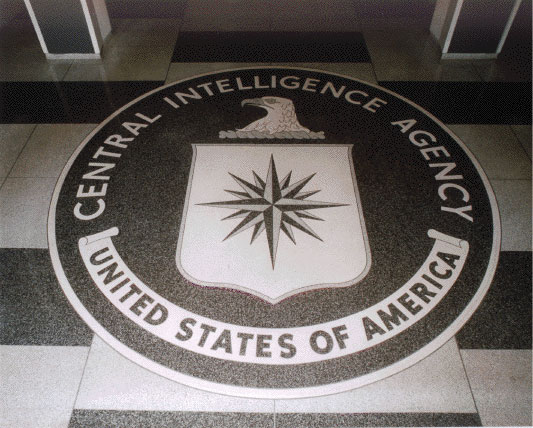
The CIA, which acts as the primary agency for collection of human intelligence (Humint), is implicated in the latest cables released by WikiLeaks, which reveal US diplomats took orders from the agency on what data to collect when spying on foreign officials at the UN and in countries around the world.
The Guardian has taken the lead on this story and is reporting, based on two cables they have cited, that not only were US diplomats asked to gather intelligence on Ban Ki-Moon and other senior UN staff, security council members and other foreign diplomats, but the directive to engage in spying, a possible violation of international, came from the CIA.
What is being referred to as "an intelligence shopping list" by The Guardian was drawn up annually by the manager of Humint, which was a post created by the Bush Administration in 2005 to help coordinate intelligence after 9/11. The manager set out "priorities," which were sent out to the State Department on an annual basis. Intelligence analysts at the State Department provided input on what "priorities" should be listed.
Specifically, the cables indicate: "US diplomats at the embassy in Asuncià ³n, the capital of Paraguay, were ordered to obtain dates, times and telephone numbers of calls received and placed by foreign diplomats from China, Iran and the Latin American socialist states of Cuba, Venezuela and Bolivia. The US is concerned about an increasing Islamist terrorist presence in Paraguay, and the influence of China."
Diplomats are urged to provide if possible: "office and organizational titles; names, position titles and other information on business cards; numbers of telephones, cell phones, pagers and faxes; compendia of contact information, such as telephone directories (in compact disc or electronic format if available) and e-mail listings; internet and intranet "handles", internet e-mail addresses, web site identification-URLs; credit card account numbers; frequent flyer account numbers; work schedules, and other relevant biographical information."
A particular cable reveals the embassy in Paraguay was targeted because Washington believed Paraguay was harboring Iranian agents and Islamist terrorists. It specifically requested "information on the presence, intentions, plans and activities of terrorist groups, facilitators, and support networks - including, but not limited to, Hizballah, Hamas, al-Gama'at al-Islamiya, al-Qa'ida, jihadist media organizations, Iranian state agents or surrogates - in Paraguay, in particular in the Tri-Border Area (TBA)."
The intelligence gathering called for was intended to presumably help develop policy and actions around current issues facing the U.S. government, which are listed: UN Security Council Reform, Iraq, the Middle East Peace Process, Human Rights and War Crimes. UN Humanitarian and Complex Emergency Response, Proliferation of Weapons of Mass Destruction, Terrorist Threat to UN Operations, Burm and other issues.
Each issue in the cable has with it specific requests for information. For example: on Darfur/Sudan, views of UN member states on contributing troops and air transportation equipment to the UN mission in Sudan; on Afghanistan/Pakistan, plans and intentions of key UN leaders and member states on force protection in Afghanistan; on Somalia, UN views on deploying a maritime force to monitor piracy off of the coast; on Iran, plans and intentions of UN Secretary General and staff to address development, testing and proliferation of nuclear weapons in Iran.
(Note: You can view every article as one long page if you sign up as an Advocate Member, or higher).
 1
1
 1
1
 1
1






