






The patient was overweight and had Type 2 diabetes. He was on Crestor for cholesterol, Atacand for hypertension; the proton pump inhibitor Protonix for GERD (gastro-esophageal reflux disease), Axert for migraines and Singulair for asthma. The patient was eight years old.
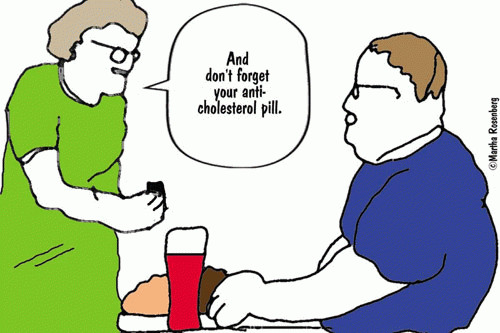
Since pharma discovered the ka-ching in pediatric psychopharmacology, millions of kids are on ADHD meds and other mental drugs for conduct disorders, depression, bipolar disorder, oppositional defiant disorder, mood disorders, obsessive-compulsive disorders, mixed manias, social phobia, anxiety and assorted "spectrum" disorders. They are even treated for seizure spectrum disorders with no seizures.
But according to new data from IMS health in a Wall Street Journal article, just as many kids are being treated for non-psychiatric conditions that are often "adult diseases."
Since 2001, high blood pressure meds for kids have risen 17 percent, respiratory meds 42 percent, diabetes meds 150 percent and heartburn/GERD meds 147 percent. Fifty percent of pediatricians also prescribe kids insomnia drugs according to an article in the journal Pediatrics.
In fact, 25 percent of children and 30 percent of adolescents now take at least one prescription for a chronic condition says Medco, the nation's largest pharmacy benefit manager, making the kid prescription market four times as strong as the adult in 2009.
Why? Well one reason is the ped population is suffering from "middle age spread" just like the adult population from too many calories and too little exercise. Over a third of US kids are overweight and 17 percent are obese -- which for a 4-foot-10 inch child would be 143 pounds -- which predisposes someone to diabetes, hypertension, high cholesterol, sleep apnea, gallbladder disease and the osteoarthritis and musculoskeletal disorders kids are also contracting from carrying around too much weight.
(Note: You can view every article as one long page if you sign up as an Advocate Member, or higher).
 2
2
 2
2
 2
2






