





Rosenberg: Can you explain the popularity of such drug cocktails? The drugs haven't been tested together so the patient is a guinea pig. And their total cost can exceed $1000 per month, often shuttled onto taxpayers because the people are considered disabled under federal entitlement programs.
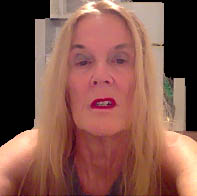
Sinaikin: Psychiatry mimics science but is not a real science. The symptoms it treats are subjective and have not been demonstrated and cannot be demonstrated at the cellular level. That gives psychiatrists free reign to just experiment and symptom chase, often insanely chasing the side effects and negative interactions of the current drug regimen with more and more drugs. Polypharmacy is also a way psychiatrists can distinguish themselves in an increasingly competitive market. No one believes you need a specialist for one drug -- any primary care physician can give you Zoloft -- but for multi-drug therapy you do. If you don't write a prescription as a psychiatrist, you won't work these days. It is like being a pacifist and having no choice but working in a bullet factory.
Rosenberg: A lot of this trial-and error polypharmacy is buttressed by the concept of "treatment resistance" and "Prozac poop-out."
Sinaikin : I write in the book that an antidepressant not working anymore is no different than getting used to anything that used to thrill us. We buy our dream house with two bedrooms and a garage and after a while it doesn't make us happy anymore and we are eyeing the house with three bedrooms and a pool. Another example, of course, is falling in and out of love.
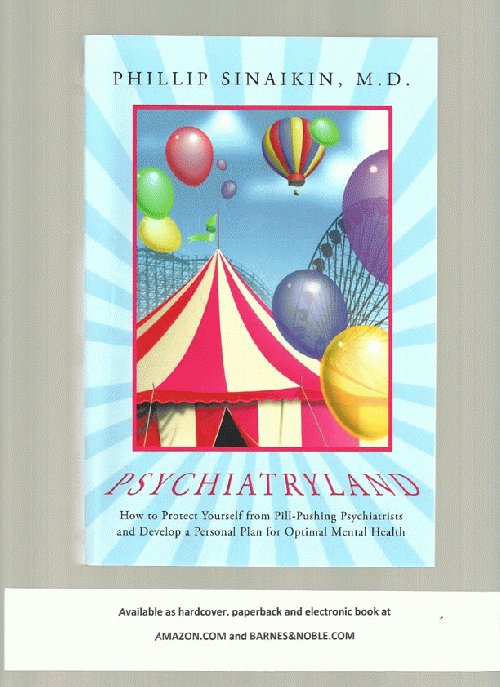
Rosenberg: You document in Psychiatryland the creation of new diseases to sell drugs including adults now diagnosed with childhood disorders like ADD and children with adult disorders like bipolar and depression.
(Note: You can view every article as one long page if you sign up as an Advocate Member, or higher).
 4
4
 4
4
 4
4






