





How Much Is Enough?
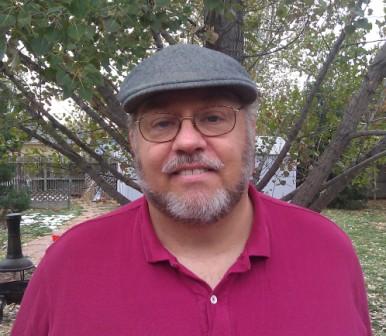
By Richard Girard
à ‚¬Å"The world was not created once and for all time for each of us individually. There are added to it in the course of our life things of which we have never had any suspicion.à ‚¬ �
Marcel Proust (1871à ‚¬"1922), French novelist. Remembrance of Things Past, volume 11, à ‚¬Å"The Sweet Cheat Gone,à ‚¬ � chapter 1 (1925; tr. by Scott Monkrieff, 1930).
à ‚¬Å"Cash-payment never was, or could except for a few years be, the union-bond of man to man. Cash never yet paid one man fully his deserts to another; nor could it, nor can it, now or henceforth to the end of the world.à ‚¬ �
Thomas Carlyle (1795à ‚¬"1881), Scottish essayist, historian. Past and Present, book. 3, chapter 10 (1843).
à ‚¬Å"That's all I can stands, 'cuz I can't stands no more!à ‚¬ �à ‚¬"Popeye the Sailor-man; innumerable short animated cartoons and comic strips since 1929.
To whom does the world belong?
Does it belong to the rich, to those who canà ‚¬"under the laws of property or by their ability to coerceà ‚¬"lay claim to the world's largest pieces? Or does it belong to humanity as a whole, now and in the future, a gift held in trust for us all?
What is the value of a clear mountain stream, lush grasslands, forests that act as pillars for the heavens, the song of a meadowlark in the early morning sun, the sight of a fox running through the brush, or salmon swimming up the Columbia River to spawn? How about a sunset over the front range of Colorado, or a starlit night at the foot of Long's Peak?
To quote the television commercial: Priceless.
Our ownership of landà ‚¬"and the mineral and water rights that comes with ità ‚¬"has been part of the argument over wealth and the fairness of its distribution that has existed since the rise of civilization.
(Note: You can view every article as one long page if you sign up as an Advocate Member, or higher).






